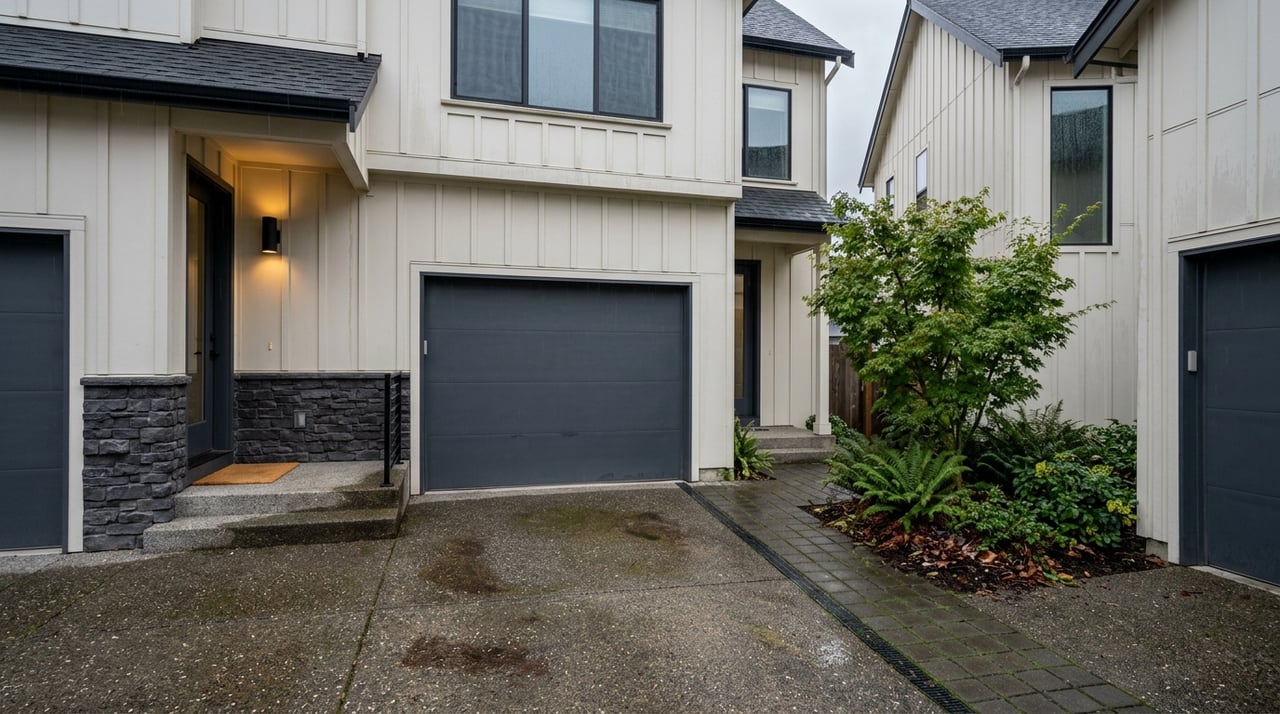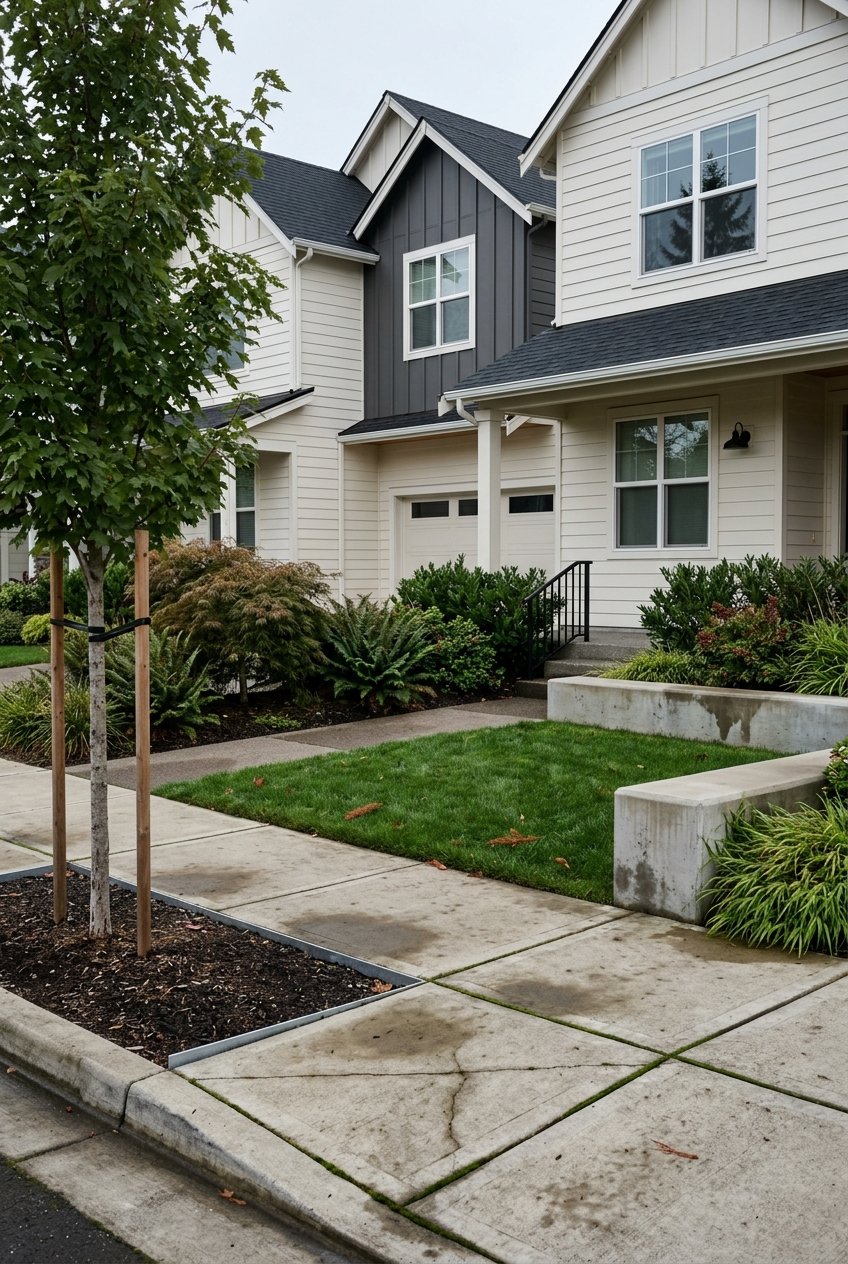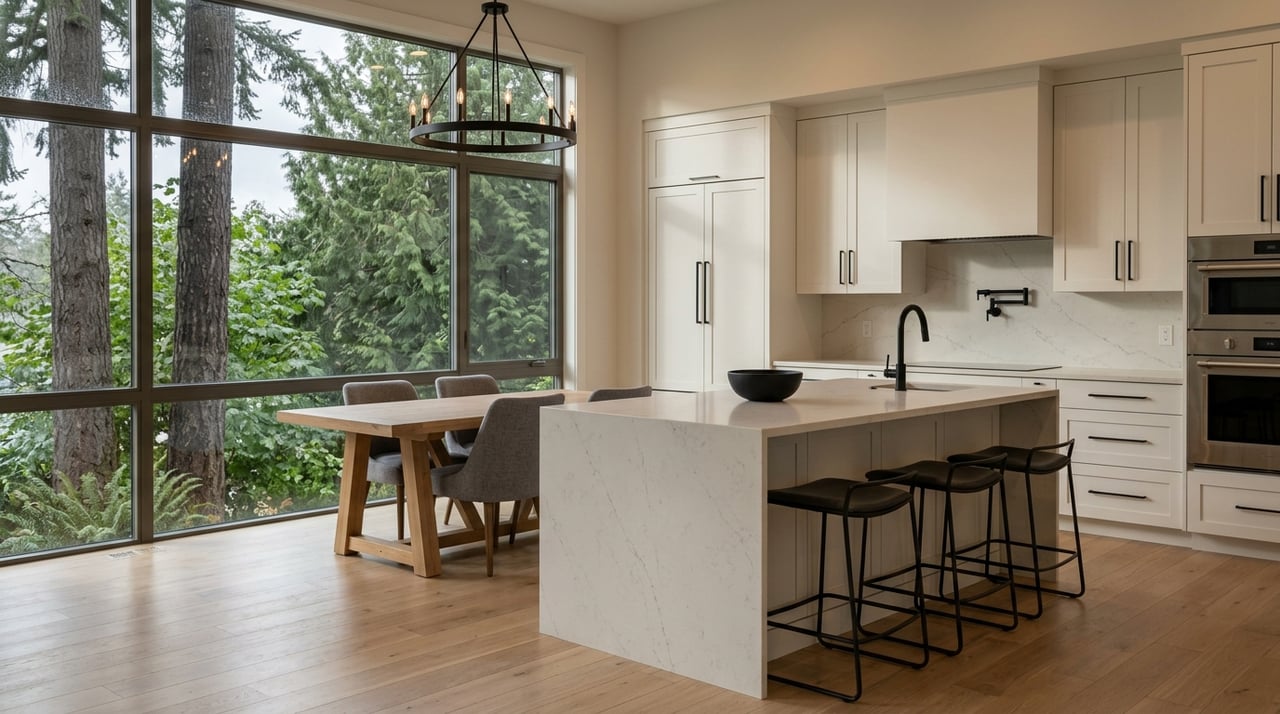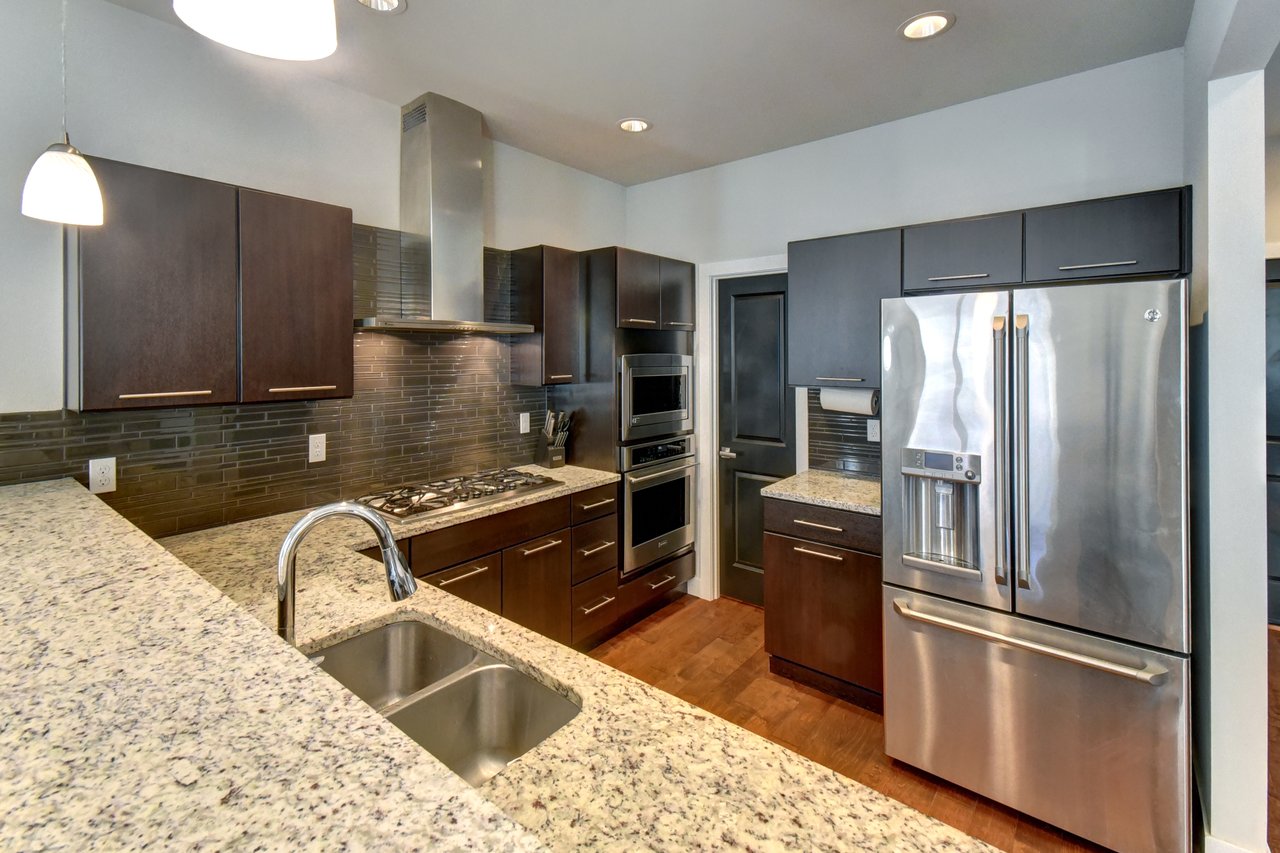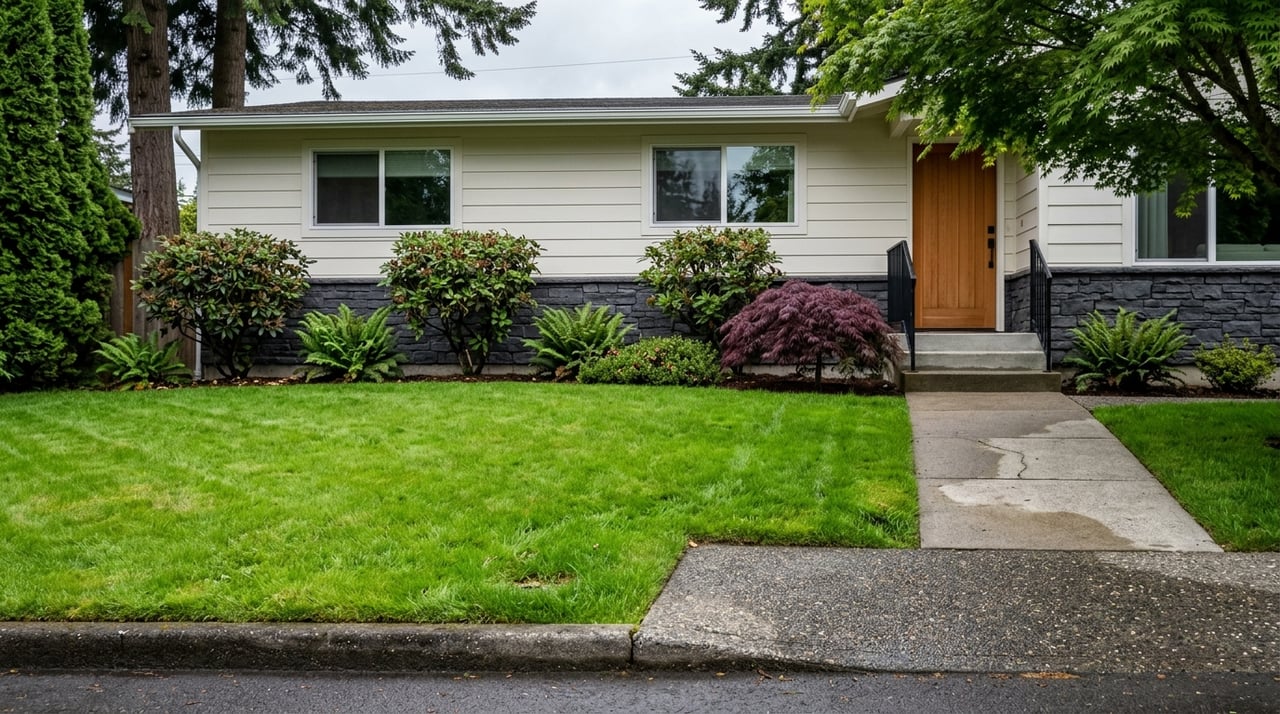
If you are searching for a place that feels calm without feeling cut off, Brier may already be on your radar. Many buyers want more space, less noise, and a neighborhood that feels steady from year to year, but they still need practical access to work, shopping, and daily errands. That balance is exactly why Brier stands out in south Snohomish County. Here is what quiet suburban living in Brier really looks like and how to decide if it fits your goals.
What Makes Brier Feel Quiet?
Brier is a small city of about 6,603 residents, which gives it a very different feel from larger nearby communities. Community Transit describes it as a compact suburban residential town about 15 miles north of Seattle, bordered by Mountlake Terrace, Lynnwood, Bothell, and Lake Forest Park.
That small scale matters in day-to-day life. With fewer households, less commercial intensity, and a residential layout, Brier often feels more like a tucked-away neighborhood than a busy suburban center.
Brier Is Built Around Residential Living
One of the clearest reasons Brier feels peaceful is that the city is intentionally planned that way. Brier’s 2024-2044 Comprehensive Plan says the city should preserve its existing residential character and maintain a minimum lot size of 12,500 square feet in its residential pattern.
That land use approach supports lower-density neighborhoods and more breathing room between homes. The same plan also limits commercial land use to the neighborhood business zone and does not permit industrial uses in the RS zone, which reinforces Brier’s low-intensity residential identity.
Stability Shapes the Local Feel
Quiet living is not only about lot size or layout. It is also about how stable a community feels over time.
Census Bureau QuickFacts show that 89.8% of housing units in Brier are owner-occupied. The same source reports that 92.9% of residents lived in the same house one year earlier, which points to lower turnover and a more settled residential environment.
For you as a buyer, that can translate into a neighborhood rhythm that feels more consistent. For sellers, it also helps explain why Brier often appeals to buyers looking for long-term ownership rather than a short stay.
What the Housing Profile Suggests
Brier has 2,374 households, with an average household size of 2.75 people. Census data also reports a median value of owner-occupied housing units of $866,600, a median household income of $132,045, and a median gross rent of $2,318.
These numbers help frame the market, but they also say something about lifestyle. Brier is a small, established residential city where housing tends to support a stable, long-term ownership pattern rather than a fast-turnover, high-density feel.
Parks Add to the Everyday Lifestyle
A quiet suburb still needs places where you can get outside, walk, or gather close to home. Brier’s park system helps support that part of daily life.
The city lists neighborhood park sites including Bobcat Park, Brier Park, Brier Patch Park, Brierwood Park, City Light Woods, Hickory Way Park, Locust Creek Park, Mountain View Park, and Old Poplar Way Park. That network of smaller parks and green spaces adds to the sense that Brier is designed more for neighborhood living than for heavy commercial activity.
Community Events Keep It Connected
Quiet does not have to mean isolated. In Brier, city-supported events help create local connection while keeping the atmosphere neighborhood-scaled.
The Parks & Recreation Board organizes and supports recurring events such as Music in the Park, SeaScare, Dog-O-Ween, Holiday Tree Lighting, the Traditional Egg Hunt, National Night Out, SeaCumber Day, and KidScare. These traditions give residents regular ways to participate in community life close to home.
If you are looking for a place with a local rhythm, these events are an important part of the picture. They suggest a city where people have reasons to stay engaged with their immediate community.
Brier Offers Space Without Losing Access
A big concern for many buyers is whether a quieter location will make commuting or running errands harder. Brier’s appeal is that it offers a more residential setting while still connecting you to major destinations in the region.
Community Transit identifies Brier Park & Ride as the city’s major transit hub. Riders can use local bus service to reach Mountlake Terrace Station and connect to Sound Transit Link light rail for trips to Seattle, Sea-Tac Airport, Federal Way, and the Eastside and Redmond area.
That regional access matters if you want a calmer home base but still need flexibility for work or travel. Community Transit also notes that Brier is close to Alderwood Mall and UW Bothell, which adds convenience without changing the city’s overall residential feel.
How Local Schools Fit Into Community Life
For many households, school facilities are part of how a community functions beyond the classroom. In Brier, local school sites also serve broader neighborhood uses.
The Edmonds School District operates Brier Elementary, which serves about 400 students in grades K-6, and Brier Terrace Middle, which serves about 650 students in grades 7-8. Both schools note that their facilities are used extensively for community meetings, events, and youth activities.
That matters because it shows how community life is organized locally. Even if schools are not the main reason you are moving, shared-use facilities can still shape how connected a neighborhood feels.
Who Brier May Appeal To Most
Brier tends to make sense for buyers who want a home base that feels calm, established, and residential. If you are drawn to larger lots, less commercial traffic, and a steady neighborhood feel, Brier checks many of those boxes.
It may also appeal to sellers whose homes fit the needs of buyers looking for long-term value and everyday livability. The city’s high owner-occupancy rate, low-density planning, and access to nearby job centers create a clear story about what Brier offers.
Questions to Ask Before Moving to Brier
Before you buy in any neighborhood, it helps to match the lifestyle to your actual routine. Brier can be a strong fit, but the right decision depends on how you live day to day.
Ask yourself:
- Do you want a quieter residential setting more than a busy town-center environment?
- Would larger lot patterns and lower-density neighborhoods improve your quality of life?
- Do you need access to Seattle, the Eastside, or nearby suburbs without living in the middle of them?
- Would nearby parks and local community events add value to your weekly routine?
- Are you looking for a place that feels stable and established over time?
If your answer is yes to most of these, Brier may be worth a closer look.
Why Brier Stands Out in Snohomish County
Many suburbs offer convenience. Fewer offer convenience with such a clear commitment to preserving a quiet residential character.
That is what makes Brier distinct. Its small population, high owner-occupancy rate, low-density land use policy, neighborhood parks, recurring community events, and regional transit access all support the same idea: Brier works well for people who want a calmer pace at home without giving up connection to the greater Seattle area.
If you are thinking about buying or selling in Brier, the next step is to look beyond broad market headlines and focus on how this specific micro-market fits your goals. For personalized guidance on Brier and nearby Snohomish County neighborhoods, connect with Wanis Nadir.
FAQs
What is quiet suburban living in Brier like?
- Quiet suburban living in Brier generally means a small residential city with low-density neighborhoods, larger lot patterns, neighborhood parks, and limited commercial activity.
How big is Brier, Washington?
- Brier has an estimated population of 6,603 residents, which supports its small-city feel.
Why does Brier feel more residential than some nearby suburbs?
- Brier’s comprehensive plan emphasizes preserving residential character, maintaining minimum lot sizes of 12,500 square feet, and limiting commercial land use to a neighborhood business zone.
Does Brier have parks and community events?
- Yes. The city lists multiple neighborhood parks and supports recurring events such as Music in the Park, SeaScare, Dog-O-Ween, Holiday Tree Lighting, National Night Out, and SeaCumber Day.
Is Brier convenient for commuting to Seattle or the Eastside?
- Brier offers regional access through the Brier Park & Ride, where riders can connect by local bus to Mountlake Terrace Station and then to Link light rail for trips to Seattle, Sea-Tac Airport, Federal Way, and the Eastside.
Is Brier a place where people tend to stay long term?
- Census data suggests strong residential stability in Brier, with 89.8% owner-occupied housing and 92.9% of residents living in the same house one year earlier.