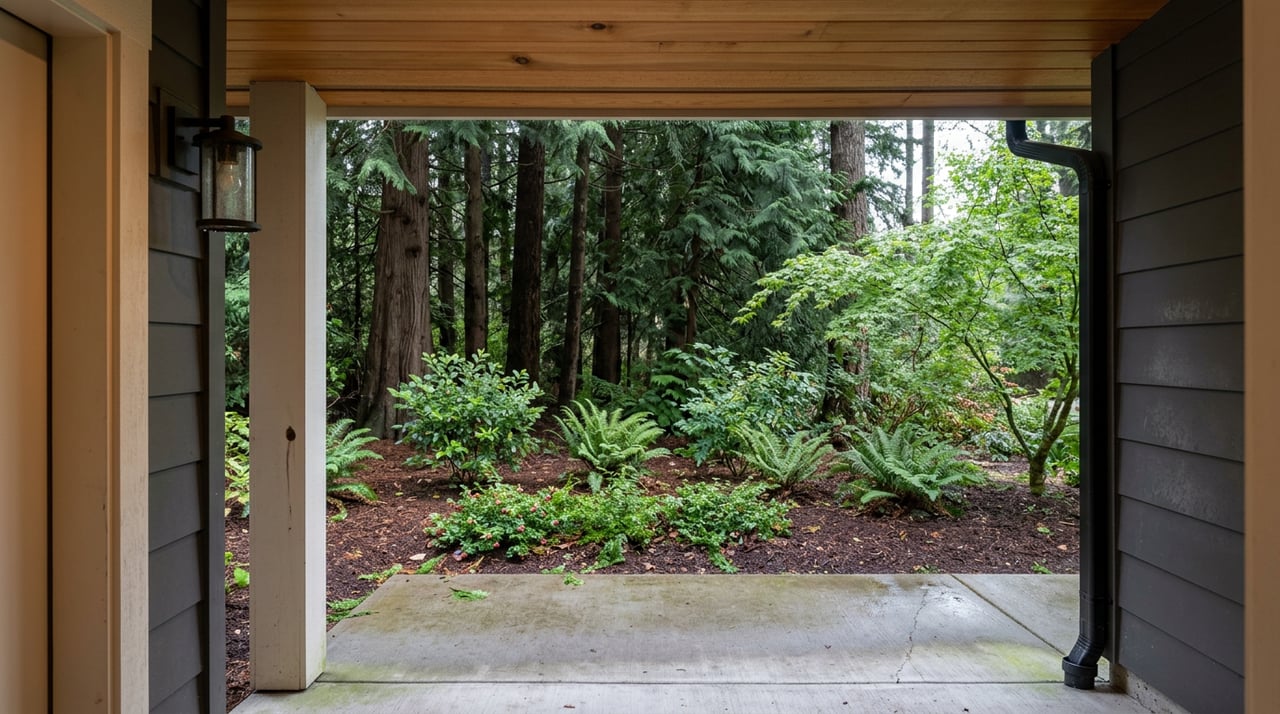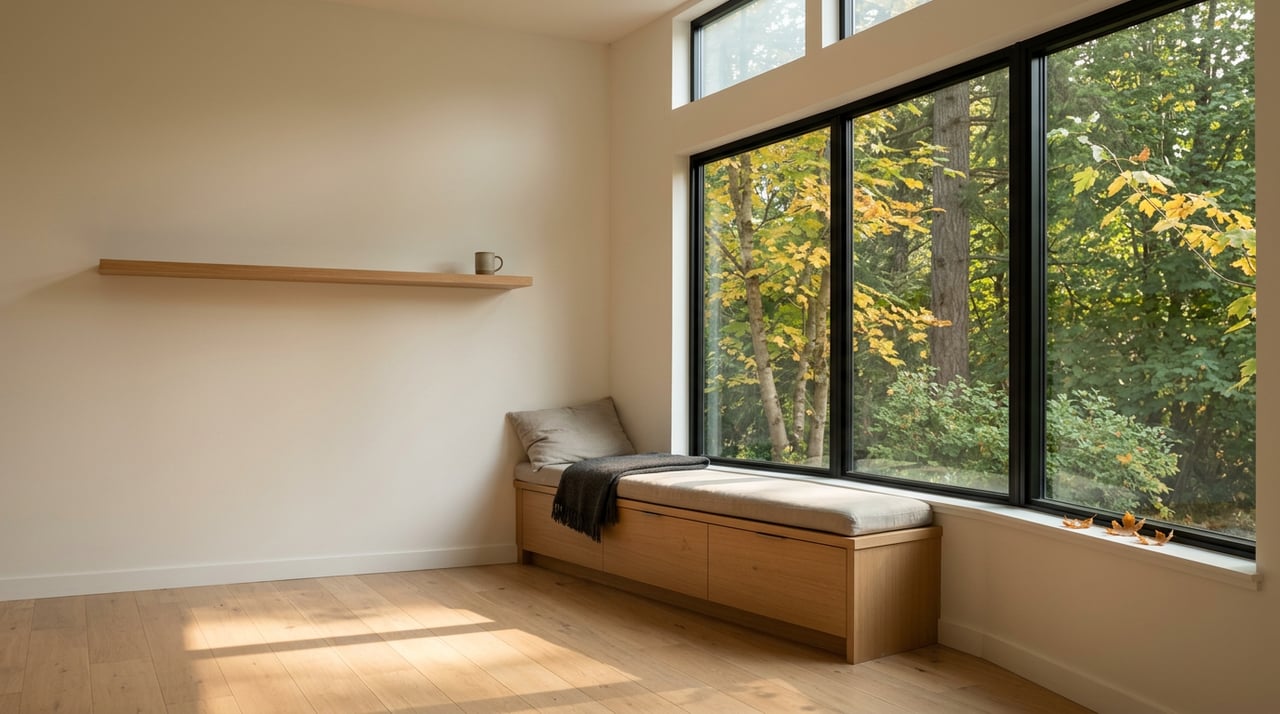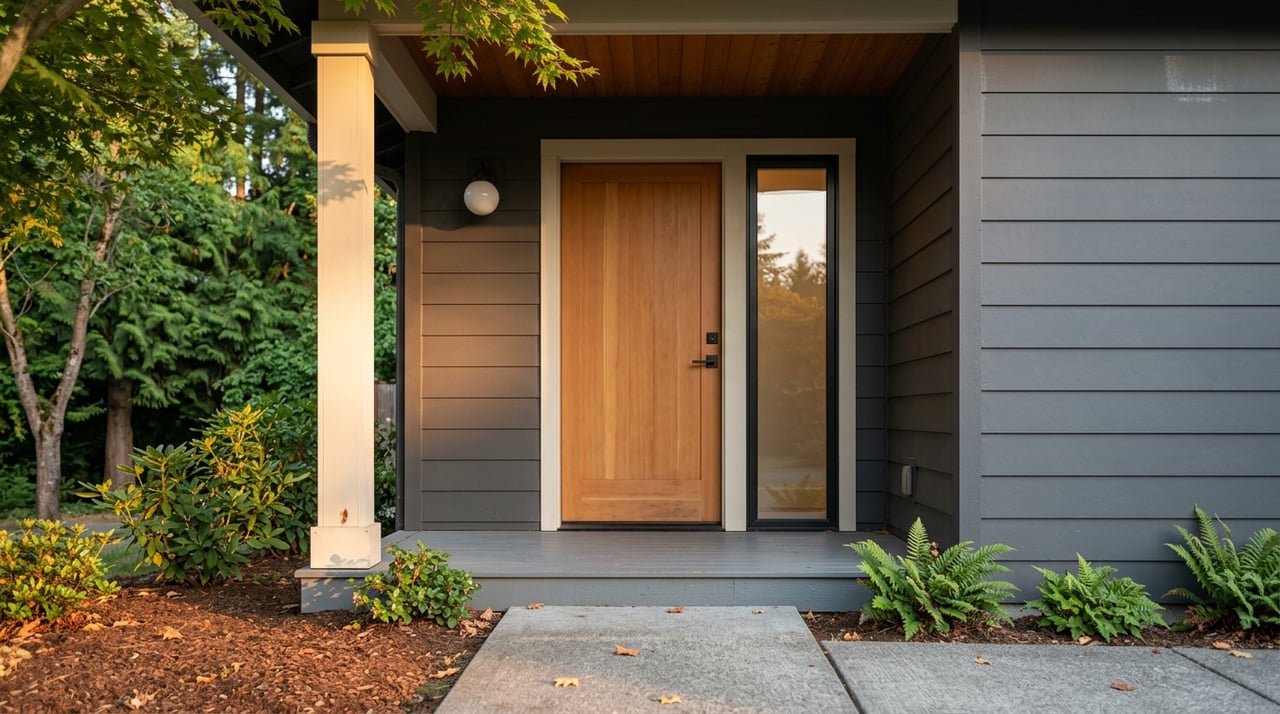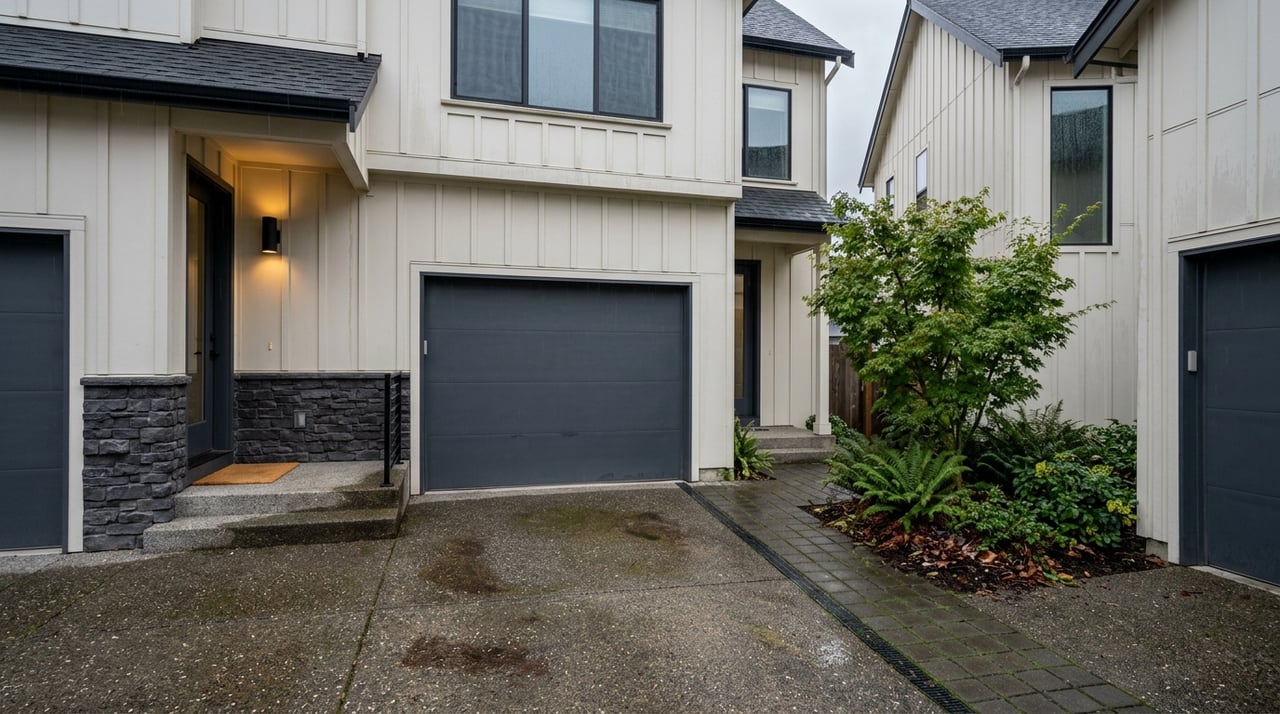
Wondering what “newer Snohomish” really feels like once you move beyond the listing photos? If you are comparing newer planned neighborhoods with Snohomish’s older areas, it helps to know that not all new communities are built the same way. This guide will walk you through how newer Snohomish communities and platted neighborhoods are typically laid out, what daily life can look like, and what details matter before you buy. Let’s dive in.
What “newer Snohomish” usually means
In Snohomish, newer communities can take several forms rather than one single neighborhood style. The city’s 2024-2044 Comprehensive Plan focuses urban growth in areas where infrastructure already exists, and Snohomish County reviews subdivisions through several plat types, including short plats, long plats, planned residential development subdivisions, and townhouse unit lot subdivisions.
For you as a buyer, that means a “newer Snohomish neighborhood” may be a city planned residential development, a county plat, or a project in an urban growth area. The label matters less than the actual layout, open space plan, road design, and recorded ownership structure.
How newer neighborhoods feel day to day
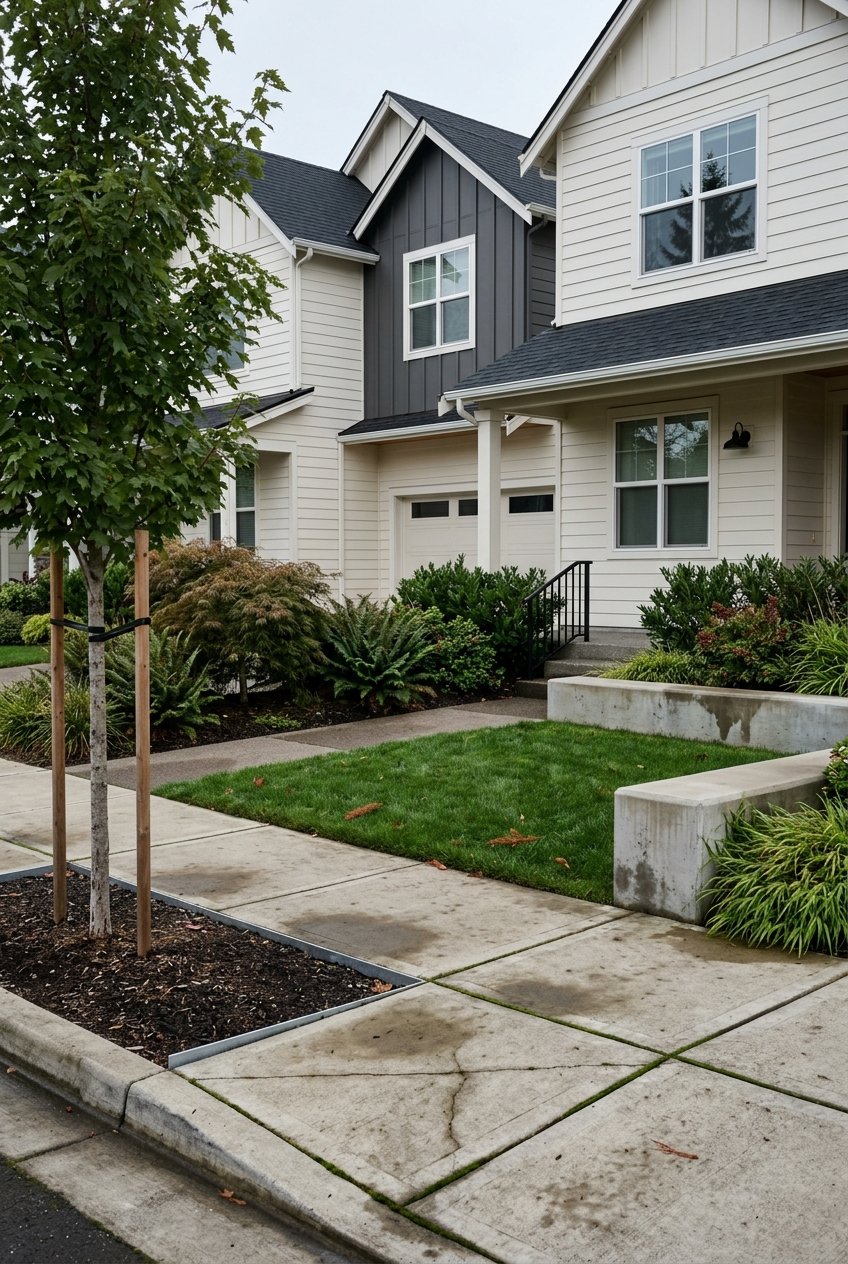
Many newer Snohomish communities are designed with a more planned and uniform feel than the historic core. Recent city project materials show common features like internal roadways, frontage improvements, street trees, utility upgrades, resident parks, and designated open-space tracts.
A current example is Walsh Hills, a 113-lot development that includes usable open-space tracts, frontage sidewalks, curb-and-gutter improvements along Terrace Avenue, and required sidewalks on internal roads. Another example, Wislen, shows that planned residential development lots can be as small as 4,000 square feet when the project provides a higher standard of open space and goes through administrative design review.
That planning often shapes how the neighborhood functions every day. Instead of each home sitting on a larger independent lot, you may see a stronger balance between private space and shared open areas.
Sidewalks and open space matter
If walkability inside the neighborhood matters to you, newer Snohomish plats may stand out. City review materials for Walsh Hills note that some lots are intended to face the street while vehicle access comes from a rear private tract.
That kind of layout tends to support a front-facing streetscape with sidewalks and shared open space rather than a design centered only on driveways and cars. In practical terms, you may notice a more connected feel when walking the neighborhood, spending time outside, or moving between homes and common areas.
Parks are part of Snohomish’s identity
Newer neighborhoods also connect to a broader citywide pattern. Snohomish describes parks and open space as a prominent part of the city’s distinctive character, and its planning framework guides park acquisition and open-space resources.
Within city limits, Snohomish has about 170 acres of parks and open space. The system includes smaller spaces like Fischer Pocket Park as well as larger trail assets such as the 30-mile Centennial Trail and the Riverfront Trail.
For buyers, this means open space is not just a feature inside a new development. It is also part of the wider Snohomish lifestyle and public landscape.
Housing types you may see
Newer Snohomish neighborhoods do not all look alike. The city’s planned residential development code allows both detached and attached single-family housing, and larger projects are expected to include design elements that encourage architectural variety.
County townhouse standards also focus on site layout, internal road networks, pedestrian circulation, building orientation, on-site open space, tree canopy, and landscaping. Some recent city examples combine planned residential developments with unit lot subdivisions, including detached homes in mixed-format communities.
So when you tour newer neighborhoods, you may see:
- Compact detached single-family homes
- Townhomes
- Mixed development formats
- Smaller individual lots paired with shared open areas
If you are expecting only traditional large-lot housing, this can be an important shift. Newer Snohomish communities often trade lot size for newer infrastructure, shared amenities, and a more coordinated neighborhood layout.
What a plat really means for buyers
A plat is more than a map. Snohomish County treats plats as recorded subdivision maps, and final plat review also checks companion documents such as CC&Rs.
That matters because when you buy in a newer platted neighborhood, you are usually buying into a full framework from day one. That framework may include common areas, lot-specific responsibilities, maintenance rules, and use standards that apply across the neighborhood.
In other words, some of the open space you see is not the same as having a larger private backyard. It may be shared space governed by recorded documents rather than extra yard area you control personally.
HOA and maintenance expectations
Many newer planned neighborhoods come with more formal shared governance. Snohomish planned residential development rules allow open space to be owned jointly by residents or by a homeowners association, and that open space must be protected by recorded covenant in perpetuity.
The city also states that private streets must be maintained and repaired at the property owners’ expense. Washington common-interest ownership law requires associations to adopt budgets, levy assessments for common expenses, prepare financial statements, maintain records, and manage funds. Resale certificates also disclose assessment and governance details before a sale closes.
For you, this usually means a few practical things:
- You may pay dues or assessments
- Shared spaces come with shared rules
- Private-road maintenance may not be handled by the city
- Review documents are a key part of due diligence
This does not make newer communities better or worse. It simply means the ownership experience is often more structured.
Newer neighborhoods vs historic Snohomish
If you are deciding between a newer plat and the historic core, the lifestyle difference is usually pretty clear. Snohomish’s Historic District is defined by older homes and commercial buildings, mature street trees, alleys, sidewalks, buildings closer to the front property line, on-street parking, rear service access, porches, and generous yards.
Homes in the district date from the 1860s to the present, with emphasis before 1920. Compared with that setting, newer platted neighborhoods generally lean toward newer infrastructure, shared open space, and more formal maintenance structures.
Here is a simple side-by-side view:
| Feature | Newer Platted Neighborhoods | Historic Core Snohomish |
|---|---|---|
| Streetscape | More planned and uniform | More organic and varied |
| Infrastructure | Newer roads, utilities, sidewalks | Older neighborhood framework |
| Open space | Shared tracts and common areas | More traditional private-lot pattern |
| Governance | Often includes HOA or shared rules | Typically less centralized neighborhood governance |
| Home style mix | Detached, attached, and hybrid formats | Older homes with long-established character |
If you want newer construction, sidewalks, shared greens, and clearer upkeep rules, a newer planned community may fit your priorities. If you are drawn to older homes, legacy character, and a more traditional streetscape, the historic core may feel more natural.
Questions to ask before buying
Before you make an offer in a newer Snohomish neighborhood, it helps to look beyond the home itself. The neighborhood structure can affect your monthly costs, your daily routine, and what ownership feels like over time.
Ask questions like these:
- Is the property part of a planned residential development, plat, or unit lot subdivision?
- What open space is shared, and what is privately owned?
- Are there HOA dues or other assessments?
- Who maintains private streets and common landscaping?
- What do the CC&Rs say about maintenance and use?
- How does the lot size compare with the amount of common open space?
- Is the neighborhood designed around front-facing sidewalks, rear access, or a more traditional street layout?
These are the details that help you compare homes on more than just price and square footage.
Why neighborhood structure matters
When you buy in Snohomish, you are not just choosing a house. You are also choosing a neighborhood pattern, a maintenance model, and a daily rhythm.
In newer Snohomish communities, that often means a more intentional layout with sidewalks, shared greens, newer infrastructure, and recorded expectations around upkeep. For some buyers, that structure feels convenient and predictable. For others, the character and looser pattern of older Snohomish may feel like a better fit.
The right choice depends on how you want to live, not just what looks best in photos. If you want help comparing newer Snohomish neighborhoods, reviewing resale details, or narrowing down the best fit for your goals, Wanis Nadir can guide you with local insight and a hands-on approach.
FAQs
What is a newer platted neighborhood in Snohomish?
- In Snohomish, a newer platted neighborhood is typically a recorded subdivision or planned development with defined lots, roads, open space, and governing documents such as CC&Rs.
What housing types are common in newer Snohomish communities?
- Newer Snohomish communities may include detached single-family homes, attached single-family homes such as townhomes, and mixed development formats that combine different housing patterns.
What does open space mean in newer Snohomish neighborhoods?
- In many newer Snohomish neighborhoods, open space refers to shared tracts or common areas rather than extra private yard space attached to an individual home.
Do newer Snohomish neighborhoods usually have HOAs?
- Many newer planned neighborhoods include shared governance through joint ownership arrangements or homeowners associations, along with recorded rules and possible dues or assessments.
How is historic Snohomish different from newer communities?
- Historic Snohomish generally offers older homes, mature street trees, alleys, porches, and a more organic street pattern, while newer communities tend to offer newer infrastructure, shared open space, and more formal maintenance structures.
What should buyers review before purchasing in a Snohomish plat?
- Buyers should review the plat layout, CC&Rs, any HOA or assessment details, maintenance responsibilities for private streets and common areas, and how the neighborhood’s open space is owned and managed.