Craving more space and privacy, or do you want low-maintenance living close to services? In Woodinville, choosing between acreage and a planned neighborhood is as much about lifestyle as it is about utilities, permits, and long-term costs. This guide walks you through the real tradeoffs so you can buy with confidence. You’ll learn how water, sewer, septic, commute, insurance, and resale differ by setting. Let’s dive in.
Choose your Woodinville fit
Acreage overview
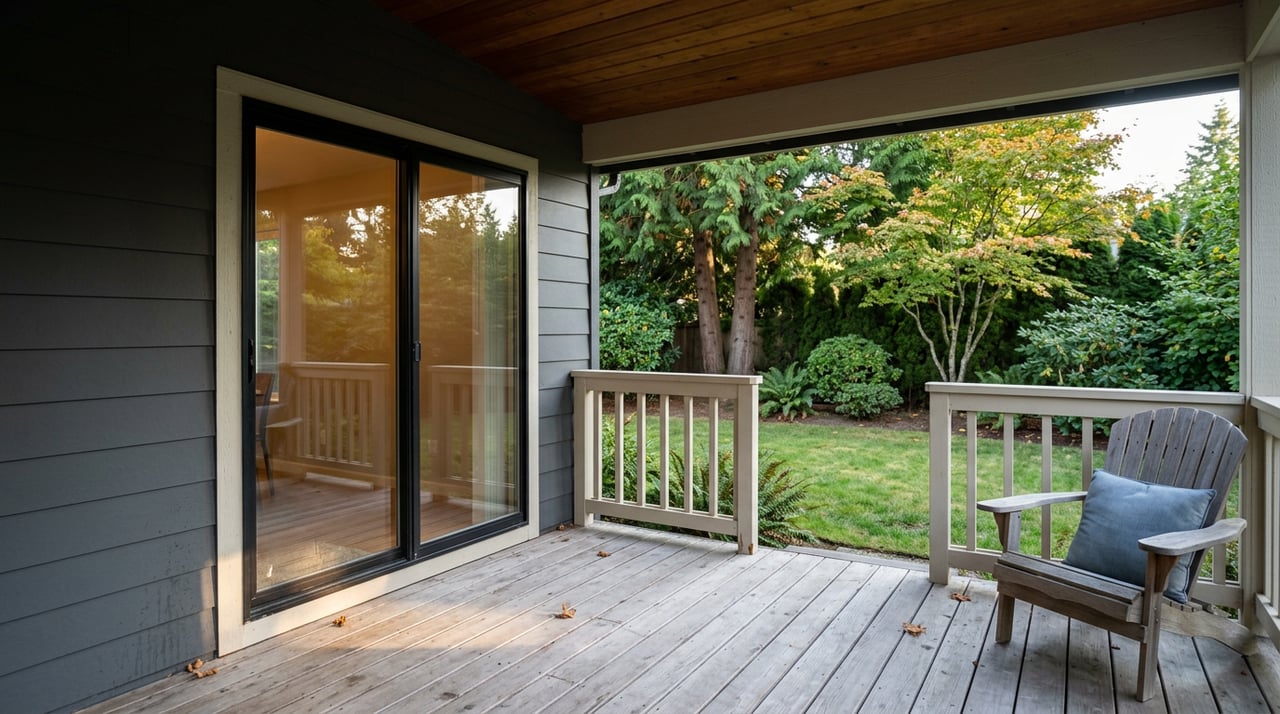
Acreage around Woodinville often sits in King County’s Rural Area zones like RA-2.5 or RA-5. These parcels commonly use private wells and on-site sewage systems and follow county rural rules that can affect what you can build and where. If you want to check what the zoning allows, review King County’s Title 21A zoning code for RA areas and related land-use rules. See King County Title 21A zoning.
Planned neighborhoods overview
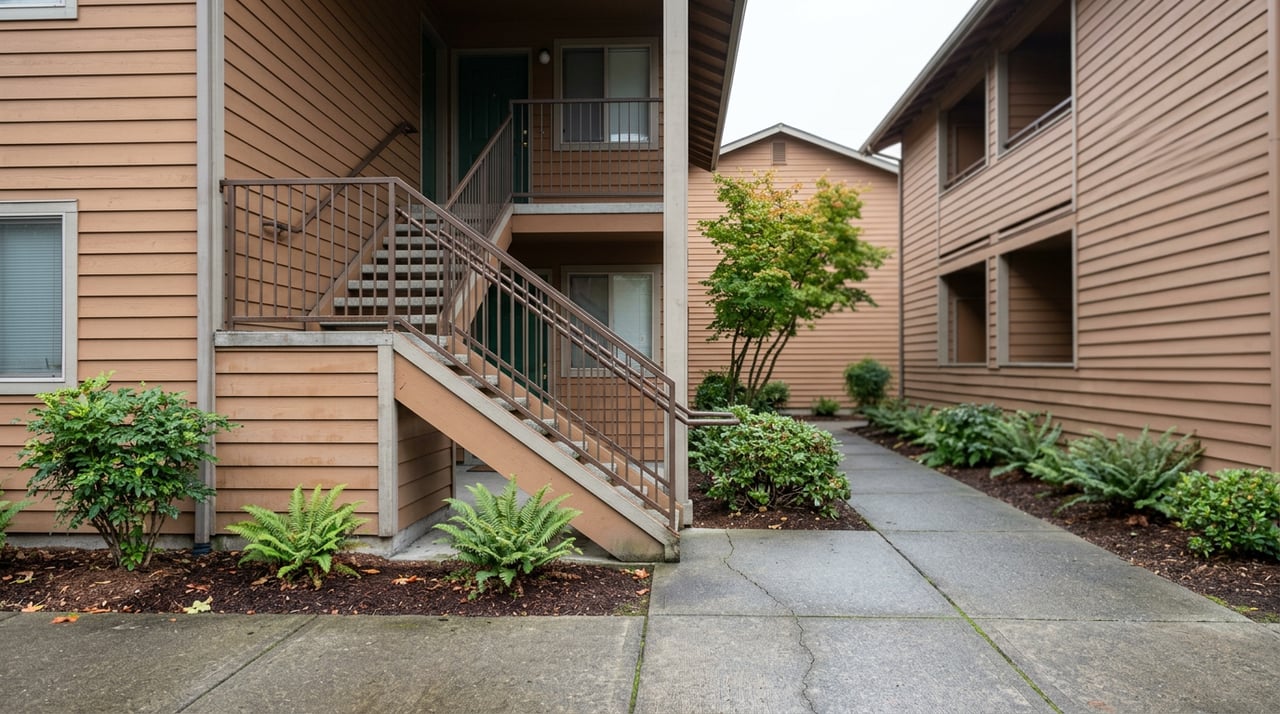
Planned neighborhoods and townhome communities are typically inside the city or urban service areas with public water and sewer. You’ll find HOA-maintained exteriors and shared amenities that reduce day-to-day work, balanced by monthly dues and design rules. To confirm if an address has public service, check with the Woodinville Water District or the applicable utility. Review Woodinville Water District wastewater and service info.
Utilities and permits that shape costs
Septic rules and real costs
If a property has septic, King County requires a certified time-of-sale septic inspection and a Property Transfer Inspection Report before title transfer. You should also receive maintenance records and see a recorded notice on title. These are county rules that apply at sale. Check King County’s septic transfer requirements.
Budget for routine pumping and inspections, and plan for the possibility of repairs or replacement. As a general range, set aside about $5,000 to $25,000 for repairs and $15,000 to $50,000+ for full system replacements, depending on soils, design, and permits. Get contractor bids early if the inspection flags issues.
Private wells: logs and water quality
Washington keeps public well logs that show construction details and depth. Ask for the well report during due diligence so you understand the system from the start. Search the state well-report viewer.
The Washington Department of Health recommends annual testing for coliform bacteria and nitrate, with periodic testing for arsenic or metals. Plan to review recent lab results and add your own test before closing if timing allows. See DOH private well testing guidance.
Some lenders require proof that the well and septic meet local standards for loan approval. Ask your lender about any property-specific conditions early in the process.
Public water and sewer checks
Addresses within the Woodinville Water District or similar service areas often have public water and sewer. That simplifies inspections but can come with connection and capacity fees if you are adding or altering service. Confirm service availability and possible fees with the utility before you write an offer. Review Woodinville Water District wastewater guidance.
Daily life, commute, and services
Commutes and transit
Woodinville’s average commute time lands in the mid-20 minutes range, but trips to Seattle or certain Eastside job centers can run longer in peak traffic. Always test your route at commute hours to get a real feel for timing. Check Woodinville commute data.
Transit options include King County Metro service to local park-and-ride locations and express routes. Regional plans for SR-522 Stride bus rapid transit aim to improve reliability, but service varies by neighborhood. Review schedules for your specific address. See a sample regional route schedule.
Fire, insurance, and risk
Rural homes can face different firefighting logistics and may lack nearby hydrants, which can influence insurance premiums. Woodinville sits near mapped Wildland-Urban Interface areas, so it is smart to plan defensible space and check local mitigation programs. Read King County’s Community Wildfire Protection Plan and talk with your insurer about local requirements. For broader guidance, the Washington State Office of the Insurance Commissioner offers consumer resources. Explore insurance guidance on wildfire considerations.
Broadband availability
Many planned neighborhoods offer reliable wired broadband. Some acreage pockets do not. Confirm service by address and discuss real installation timelines with providers. The FCC’s national broadband map can help you verify options. Learn about checking the FCC broadband map.
Market and resale realities
Median home prices in Woodinville commonly sit around the low seven figures in recent snapshots, with townhomes and attached homes often listing lower than single-family acreage. HOA dues in planned communities frequently range from about $300 to $700 per month, depending on age, services, and reserves.
Acreage attracts a smaller, more specialized buyer pool seeking privacy, hobby space, or estate settings. Sales can take longer, and inspections are more complex because of wells, septic, access, and site factors. Planned neighborhoods and townhomes tend to have a broader buyer base, more predictable comparables, and often smoother appraisals.
If you love space but hate maintenance
- Hire help for seasonal tasks like brush clearing, tree care, and driveway upkeep.
- Phase big projects so you spread costs over time.
- Prioritize parcels with public water and good access, even if the lot is smaller.
- Consider insurance and broadband availability as early decision filters.
Quick side-by-side comparison
Acreage pros
- Privacy, room for gardens, shops, or hobbies
- Distance from close neighbors, natural setting
- Potential for custom improvements if zoning allows
Acreage tradeoffs
- Well and septic management, replacement risk
- More site upkeep and higher one-time project costs
- Insurance and broadband can be more limited
Planned neighborhood pros
- Public water and sewer, simpler inspections
- HOA-maintained exteriors and common areas
- Proximity to services and transit options
Planned neighborhood tradeoffs
- Monthly HOA dues and community rules
- Smaller lots and less flexibility for outbuildings
- Shared walls in townhomes for some layouts
Your due-diligence checklist
- Confirm utilities: Identify the water and sewer provider and whether the home uses public service or well and septic. Start with the Woodinville Water District for addresses in its area. Review wastewater and service info.
- Verify septic compliance: Request the King County Property Transfer Inspection Report, plus maintenance records and as-builts. See transfer requirements and forms.
- Pull the well log and test water: Get the Washington well report and plan lab tests for coliform and nitrate at minimum, with arsenic or metals as needed. Search well reports and review DOH testing guidance.
- Check zoning and site limits: Review King County Title 21A for allowed uses, setbacks, and any critical-area constraints that affect usable acreage. Open the zoning code.
- Price insurance and assess wildfire considerations: Get quotes early, ask about hydrants and mitigation requirements, and review local WUI planning. Read King County’s CWPP.
- Confirm broadband by address: Use provider tools and the FCC map to gauge actual service and install timelines. Learn how to verify coverage.
- Test the commute: Drive your route at peak times and review transit schedules for your specific stop or park-and-ride. Scan commute statistics and see sample route schedules.
- Get the right inspections: In addition to a standard home inspection, hire septic, well, and if needed, geotechnical specialists familiar with local soils and slopes.
- Review HOA documents: For planned communities, read CC&Rs, budgets, reserve studies, and meeting minutes to understand rules and potential assessments.
- Negotiate with data: Use inspection findings to request repairs, credits, or price adjustments. For likely septic replacement, get contractor bids and a written plan before finalizing.
Ready to see which path fits your lifestyle and budget? Whether you want elbow room or lock-and-leave convenience, you deserve a plan grounded in local data and clear next steps. Reach out to Wanis Nadir for a tailored strategy and on-the-ground guidance in Woodinville and the Eastside.
FAQs
What is the main difference between acreage and planned neighborhoods in Woodinville?
- Acreage usually means wells, septic, and more upkeep, while planned neighborhoods typically have public water and sewer with HOA-maintained exteriors.
What septic rules apply when buying a home with a septic system in King County?
- The county requires a certified time-of-sale inspection and a Property Transfer Inspection Report before title transfer, plus recorded O&M notices.
How can you check if a Woodinville property has public sewer and water?
- Contact the utility serving the address and review service maps and fees; start with the Woodinville Water District for its coverage area.
What water testing is recommended for private wells in Washington?
- Test annually for coliform bacteria and nitrate, and consider arsenic or metals based on local geology or past results.
How long are Woodinville commutes, and what transit is available?
- Average commutes are in the mid-20 minutes range, with longer peaks; King County Metro serves local hubs and SR-522 BRT plans aim to improve links.
Do HOA dues offset maintenance compared to acreage?
- Often yes; dues commonly cover exterior, roofing, landscaping, and common areas, trading monthly cost for reduced personal upkeep and planning predictability.