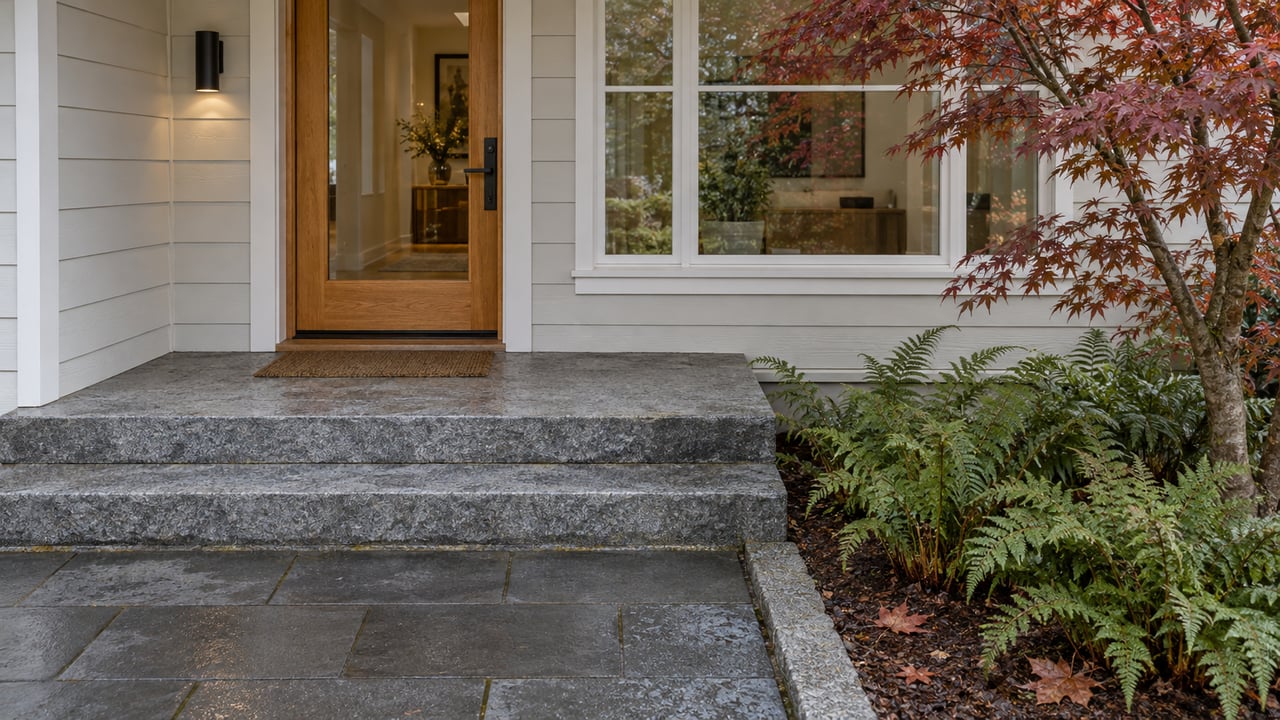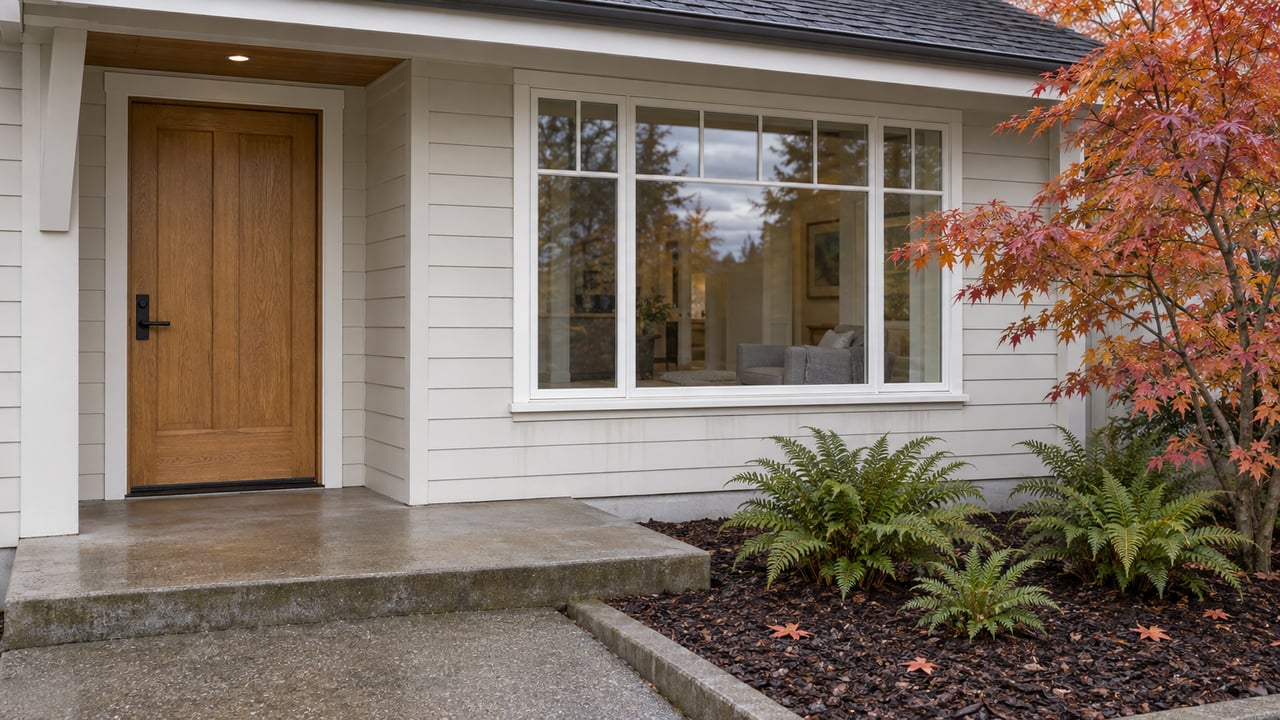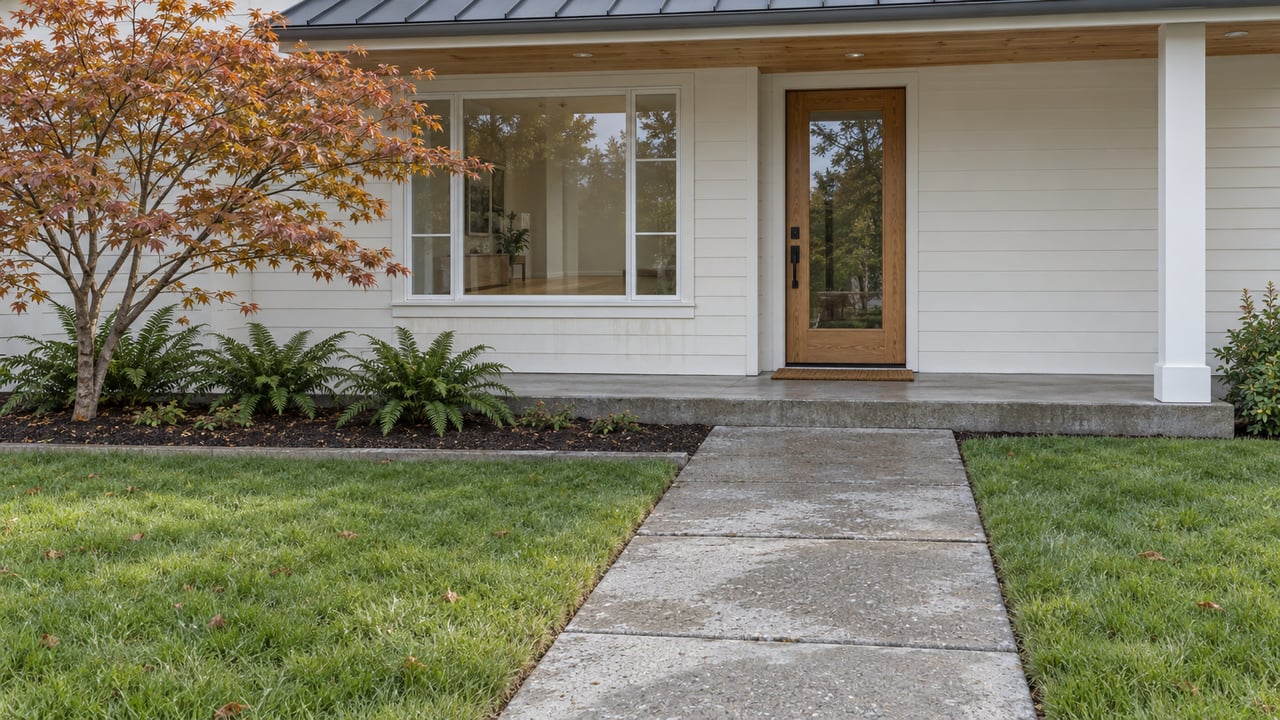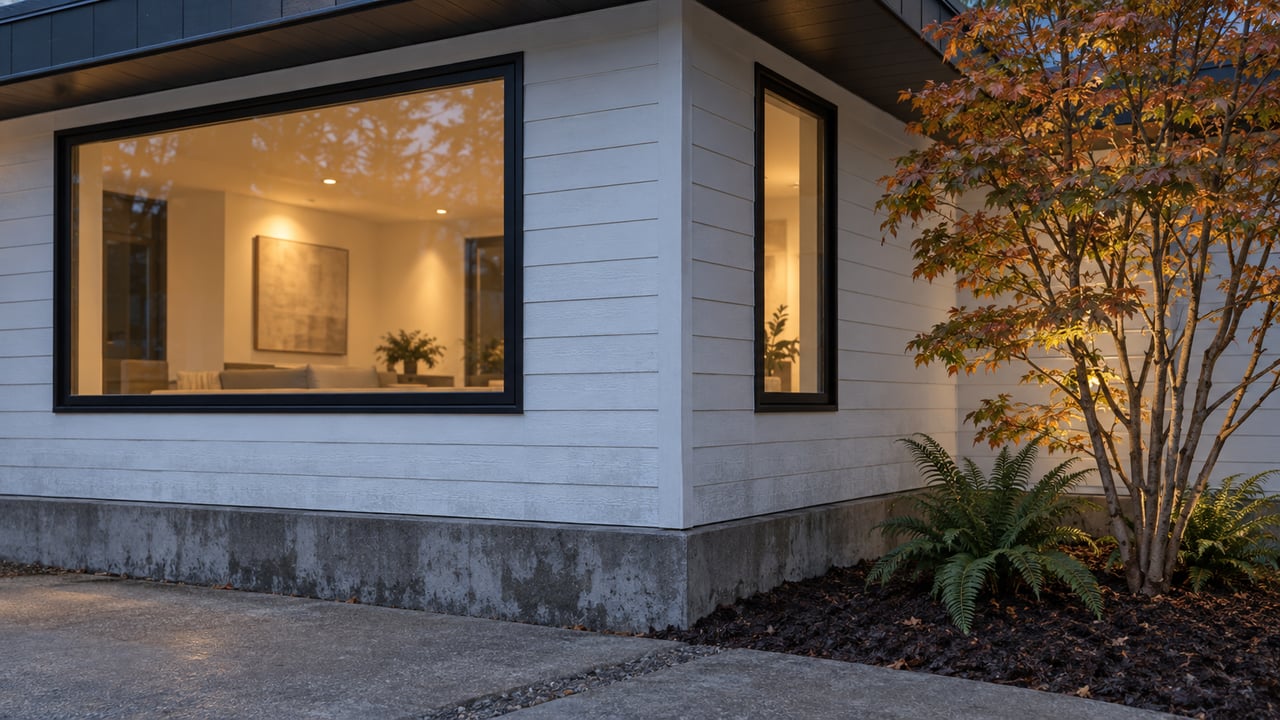
Drive south on Mill Creek Boulevard past City Hall North and the street still looks like 1986. Low strip malls. Surface parking lots baking in whatever sun gets through the cloud cover. A stretch that Mill Creek's own community development director, Jeff Ryan, described bluntly after this year's rezoning vote: a lot of strip malls, 40-year-old buildings, and not exactly a terrific pedestrian environment. He was comparing it to the north half of Town Center, the part with the Forum, the restaurants, the walkable blocks that made Mill Creek's downtown a genuine draw. The south half never got that treatment. Until now, on paper.
On Tuesday, September 1, 2026, the Mill Creek City Council voted 5-2 to approve the South Town Center Subarea Plan, a rezoning of 82 acres that stretches east-west from North Creek to Bothell-Everett Highway and north-south from City Hall North down to the QFC on 164th Street. If you own a home in Mill Creek, are shopping for one, or are weighing this city against Bothell or Woodinville on a spreadsheet, this vote is worth understanding in more than headline form. It changes what the phrase "Mill Creek median price" is even going to mean over the next several years.
What the Council Actually Approved
The plan does three concrete things. The Mill Creek South Town Center project page describes the current height ceiling as 5 stories; the plan raises it toward 5 to 7 stories for mixed-use buildings, with actual heights decided project by project. It requires that at least 70% of ground-floor space along Mill Creek Boulevard and Main Street stay commercial, so new buildings can't just be residential towers with a lobby. And it commits the city to a large central park inside the district, one Ryan has talked about as a future home for parade routes and festivals, echoing the role Town Center's own gathering spaces already play.
A few details matter more than they first appear:
- The city owns only two parcels inside the entire 82-acre boundary. Everything else depends on private property owners choosing to redevelop, on their own timeline, when the economics pencil out for them.
- There is no current affordable housing mandate written into the plan. Any income-restricted units would come from future incentives, not a requirement baked in today.
- The zoning change itself doesn't touch a single existing building. It sets what's allowed to replace them, whenever that happens.
That last point is the one buyers tend to skip past. A zoning vote is not a construction schedule. What changed is the ceiling on what's permitted, not the floor of what exists.
What the Two No Votes Raised About the Plan
Council members John Steckler and Vince Cavaleri voted against the plan, and their stated reasons are the most useful part of the whole story for anyone thinking about property near this corridor.
Steckler's objection was about specificity. He said he supported the broader comprehensive plan direction but felt the council had moved away from earlier detail on housing types and other city projects, calling the final version too open for his comfort. That's a vote against ambiguity, not against growth.
Cavaleri's objection went further. He worried the plan opens the door to a wave of apartment construction that could function as, in his words, a blank check for developers, and raised a separate concern that leaning too heavily on new residential development could leave the city more dependent on property tax revenue from those buildings than it should be.
Neither of these are abstract political disagreements. They describe the actual risk profile of buying or owning near a subarea that just got a much larger zoning envelope but no fixed build-out plan. Parking capacity, unit mix, and how fast redevelopment actually proceeds are all still open questions, and the two members who study this most closely voted no specifically because those questions aren't answered yet.
The Growth Management Act Is the Part That Doesn't Make It Into a Listing Description
It's tempting to read this as Mill Creek chasing a trend, the way plenty of Puget Sound cities have leaned into walkable mixed-use branding lately. Ryan's own account complicates that story. Washington's Growth Management Act required the city to lay out a plan for increased housing capacity in its 2024 comprehensive plan, and South Town Center, with its aging strip malls and underused parking, was the obvious place to put that capacity without touching established single-family blocks. As Ryan put it, the state mandate was maybe the impetus, but it became something more.
That distinction matters for how you read the plan: the changes discussed here are tied to this subarea, while the price figures that follow describe Mill Creek as a whole.
Why the Number You're Looking at Right Now Is Already Unstable
Here's where the timing gets interesting for anyone comparing Mill Creek to nearby cities on price alone. Even before this rezoning, Mill Creek's median sale price has been reported in a surprisingly wide band throughout 2026 depending on which window of sales you're looking at and which report you pull. Figures for the same general stretch of the year have shown the median anywhere from the mid-$800,000s to the high $900,000s, with days-on-market estimates for comparable periods ranging from roughly nine days to well over three weeks. Part of that spread is normal statistical noise in a city with a relatively small number of monthly closings. Part of it is seasonal.
But layer the South Town Center rezoning on top of that instability and you get a market that's about to have two distinct products selling under one city name. On one side, the established single-family stock in neighborhoods like The Village and Penny Creek, largely untouched by this plan. On the other, whatever gets built along Mill Creek Boulevard and Main Street over the coming years: mixed-use buildings with residential units stacked over required ground-floor retail, in a height range that didn't exist as an option before September 2026.
A single median works reasonably well when a city's housing stock is fairly uniform. Mill Creek's is about to stop being uniform in one specific 82-acre pocket, on a timeline nobody, including the city, controls. Comparing "Mill Creek's median" a few years from now without separating legacy neighborhoods from the South Town Center corridor will tell you less than it seems to.
What This Means If You're Actually Buying or Selling Near the Boulevard
If you're evaluating a property inside or adjacent to the boundary, the practical questions are different than they'd be for a home in an established Mill Creek neighborhood.
Find out whether the specific parcel or its immediate neighbors fall inside the subarea. The boundary runs along North Creek on one side and Bothell-Everett Highway on the other, with City Hall North and the QFC on 164th Street marking the north-south edges. A home just outside that boundary faces a very different set of future neighbors than one just inside it.
Ask what's currently zoned and built on adjacent parcels, not just your own. Since redevelopment here depends entirely on individual property owners choosing to act, a lot along your street could sit as a strip mall for another decade, or could break ground next year.
Weigh construction disruption against long-term upside separately. New retail, better pedestrian connections, and a planned central park could meaningfully improve daily life in this corridor over time. But phased, developer-driven redevelopment near a road you use to get in and out of your neighborhood is a real, unscheduled variable, not a settled amenity.
A Few Questions Worth Asking Directly
Does this rezoning affect my property taxes right now? No. The plan sets future zoning and design standards. It doesn't reassess any existing property or change current tax rates.
Is any construction actually underway? Not as of this writing. The plan creates the zoning and design framework. Individual redevelopment projects still need their own approvals, and the city owns only two of the parcels inside the boundary, so most of what happens next depends on private owners.
How long before the corridor actually looks different? Redevelopment depends on individual property owners choosing to build under the new rules, which could happen quickly on some parcels and not at all on others for years.
If you're trying to figure out what a Mill Creek address is actually worth today, or what it's likely to be worth once this corridor starts changing, a single median number from a national portal isn't going to get you there. Wanis Nadir tracks these zoning and permitting shifts alongside live MLS data across Mill Creek and the surrounding Eastside and Snohomish County suburbs, because the two rarely tell the same story on their own. If you want a pricing conversation that accounts for exactly where your property sits relative to this rezoning, reach out for an instant home valuation and a straight answer about what it means for your specific block.
This article is general information, not legal, tax or financial advice. Consult a qualified professional about your situation.