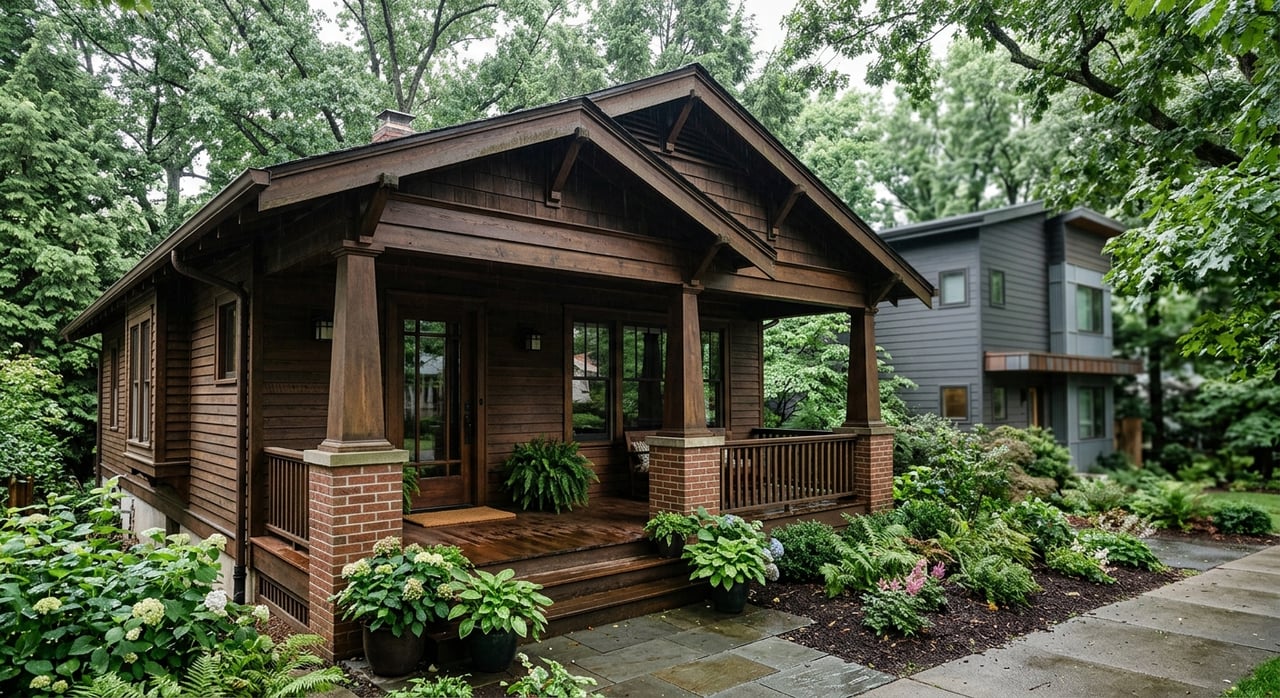
Choosing between old-house charm and newer-home convenience is not just about style. In Snohomish, it can shape your maintenance costs, renovation flexibility, insurance questions, and even your day-to-day ownership experience. If you are trying to decide between a historic home and a newer subdivision, this guide will help you compare the trade-offs with more confidence. Let’s dive in.
Why this choice matters in Snohomish
Snohomish offers two very different housing experiences within one small city. The 2020 Census counted 10,126 residents, and Census QuickFacts lists a 2020-2024 median owner-occupied home value of $683,900. The city is also planning for future growth, with a 2044 population target of 12,878.
That growth matters because Snohomish is not built out in one uniform pattern. City housing materials say the median year the local housing stock was built is 1989, with historic buildings concentrated in the southern part of town and more recent development primarily in the northern and western areas. In other words, where you buy often says a lot about what kind of ownership experience you can expect.
Historic Snohomish at a glance
If you picture tree-lined streets, older architecture, and a strong sense of place, historic Snohomish may be what draws you in. The City of Snohomish established the Historic District in 1973, and it is listed on the National Register of Historic Places. The city says the commercial historic district sits on the south side of town along the Snohomish riverbank, with historic residential areas generally north of it.
The district includes homes from the 1860s to the present, with a strong concentration of pre-1920 houses. The city highlights styles such as Craftsman Bungalow, Queen Anne Victorian, Shingle, Colonial Revival, and Stick/Eastlake. You will also often see mature street trees, sidewalks, alleys, larger setbacks, and garages or sheds placed behind the main house.
What buyers often like about historic homes
Historic Snohomish tends to appeal to buyers who want personality that is hard to duplicate in newer construction. The city’s own description points to features like mature landscaping, generous yards, and distinct architecture that create a more layered streetscape.
Many buyers also appreciate the walkable feel of the historic core. If you want a home that feels tied to Snohomish’s long history and physical character, the historic area offers that in a way newer subdivisions usually do not.
What buyers need to watch closely
Charm comes with added diligence. The city’s historic design standards say exterior alterations, additions, new construction, and demolition are all subject to specific criteria intended to preserve the district’s character.
For you as a buyer, that can mean less flexibility if you plan to make visible exterior changes. A historic home can be rewarding, but it is usually a better fit if you are comfortable with review processes and the responsibilities that come with older housing.
Newer subdivisions at a glance
If your priority is a more predictable maintenance profile, a newer subdivision may make more sense. Snohomish’s growth strategy focuses on subareas such as North Lake, North Corner, and Central West, where the city is studying rezones and future annexation potential.
North Lake is one of the clearest examples of this growth pattern. The city approved the North Lake annexation on January 23, 2026. The area is north of 22nd Street and east of SR-9, covers about 240 acres, and has long been part of the city’s designated urban growth area.
What buyers often like about newer subdivisions
Newer neighborhoods often appeal to buyers who want simpler ownership in the early years. Based on the city’s housing profile and the fact that these homes are part of post-1990 growth-area stock, they typically offer newer systems and may have fewer immediate capital-replacement items than much older homes.
That does not mean you can skip inspections. It does mean your maintenance timeline may feel more predictable, especially compared with a home built many decades earlier.
What buyers need to review carefully
Many newer single-family neighborhoods in Washington fall under HOA or common interest community rules. State guidance says these associations may collect dues, maintain shared spaces, review home improvements, and enforce CC&Rs.
That trade-off is important. You may get a more managed neighborhood environment, but you may also have less freedom to change the exterior, plus the added cost of monthly or annual dues.
Historic homes versus newer subdivisions
Here is the simplest way to think about the choice.
| Factor | Historic Snohomish | Newer Subdivisions |
|---|---|---|
| Overall feel | Distinctive, established, architectural character | More uniform, planned, newer-platted layout |
| Typical housing age | Often pre-1920 in the historic core | Generally part of more recent growth areas |
| Maintenance outlook | Often higher and less predictable | Often more predictable in early ownership |
| Exterior changes | May face design review standards | May face HOA review and CC&R limits |
| Streetscape | Mature trees, sidewalks, alleys, larger setbacks | More standardized neighborhood design |
| Key due diligence | Historic rules, floodplain, insurance, site conditions | HOA dues, CC&Rs, nearby buildout, annexation changes |
Neither option is automatically better. The right fit depends on how you want to live, what projects you plan to take on, and how much structure or flexibility you want as an owner.
River proximity changes the equation
In Snohomish, location near the river deserves extra attention. The city’s Shoreline Master Program identifies a Historic Riverfront Environment within 200 feet of the Snohomish River in part of the Historic Business District. Snohomish County also says Flood Insurance Rate Maps are used to determine whether a property is in a flood hazard area and whether flood insurance is required for a mortgage or construction loan.
The city’s shoreline planning materials add another layer. They state that the Snohomish River shoreline planning area is within the mapped floodway and 100-year floodplain, and that the downtown shoreline area and river floodplain are mapped as having moderate to high susceptibility to liquefaction.
This does not mean every river-adjacent property carries the same level of risk. It does mean you should treat flood, insurance, and site-condition review as core parts of your due diligence if the home is near the river.
Annexation and future buildout matter too
If you are considering a newer subdivision in or near a growth area, pay attention to what may change around you. Snohomish is a full-service city that provides police, water and sewer utilities, parks, land-use planning, and building permit services.
For buyers in annexation areas, the transition from county jurisdiction to city jurisdiction can affect service delivery, code enforcement, and the long-term neighborhood setting. In areas like North Lake, the city also notes that development depends on sanitary sewer availability, which can influence the pace and type of future growth.
A simple framework for choosing
If you are torn between the two, start with your ownership priorities instead of the listing photos.
Historic Snohomish may fit you best if you want:
- Architectural character and a strong sense of place
- Mature landscaping and an established streetscape
- A more walkable historic setting
- A home that feels unique rather than standardized
- A project you can take on with patience and care
You should also be comfortable with:
- Older-home maintenance and repair needs
- Historic design standards and review processes
- Extra diligence for flood, insurance, or site conditions if the property is near the river
A newer subdivision may fit you best if you want:
- A more predictable maintenance curve
- Newer-platted housing and newer systems
- A more structured neighborhood format
- Less likelihood of immediate major replacement items
You should also be comfortable with:
- HOA dues and shared rules
- CC&R restrictions on improvements or use
- Possible nearby buildout as growth areas continue to develop
- Changes tied to annexation or utility expansion
The four questions every buyer should ask
Before you get attached to one style over the other, ask these four practical questions. In Snohomish, they often matter more than the sticker price alone.
1. Is the home inside the Historic District?
If the answer is yes, learn what design standards apply and what that could mean for future updates. Even simple exterior plans may involve more review than you expect.
2. Is the property near the river or in a mapped flood hazard area?
This can affect insurance requirements, financing, and your comfort with long-term risk. It is especially important in river-adjacent areas and parts of the downtown shoreline environment.
3. Is there an HOA or other common interest community?
Review the dues, rules, reserve structure, and approval process for improvements. In a newer subdivision, this can shape your monthly costs and daily ownership experience.
4. Is sewer available, or is septic still part of the property?
This is especially relevant in growth and annexation areas, where development can depend on sewer availability. Utility setup can affect both convenience and future plans for the property.
How to make the smartest move
The best choice is usually the one that fits your lifestyle, maintenance tolerance, and long-term goals, not just the one that makes the strongest first impression. A beautifully restored historic home may offer exceptional character, while a newer subdivision home may give you a simpler maintenance path and more predictable ownership in the first several years.
If you are buying in Snohomish, it helps to compare homes through a local lens. Street location, district boundaries, floodplain mapping, HOA structure, and future growth patterns can all matter just as much as square footage or finishes.
A careful, data-driven comparison can save you from surprises later. If you want help weighing historic Snohomish against newer subdivisions, Wanis Nadir can help you evaluate the trade-offs and find the right fit for how you want to live.
FAQs
What is the main difference between historic Snohomish and newer subdivisions for buyers?
- Historic Snohomish usually offers more architectural character, mature streetscapes, and older homes, while newer subdivisions often offer newer systems, a more predictable maintenance profile, and HOA-governed neighborhood structure.
What should buyers know about the Snohomish Historic District before making an offer?
- Buyers should confirm whether a property is inside the Historic District and review the city’s design standards, since exterior alterations, additions, and some other changes may be subject to specific review criteria.
What flood-related questions should buyers ask about homes near the Snohomish River?
- Buyers should check whether the property is in a mapped flood hazard area, whether flood insurance may be required for financing, and whether site conditions or liquefaction susceptibility are part of the due diligence picture.
What should buyers review in a newer Snohomish subdivision with an HOA?
- Buyers should review dues, CC&Rs, shared maintenance responsibilities, rules for home improvements, and any details about future neighborhood buildout or annexation-related changes.
Are newer neighborhoods in Snohomish still affected by future growth plans?
- Yes. The city is planning for growth in areas such as North Lake, North Corner, and Central West, so buyers should consider nearby rezones, annexation status, sewer availability, and the likelihood of future development around the property.
Which Snohomish home type is better for lower maintenance?
- In general, a newer subdivision home is more likely to offer a more predictable maintenance curve, while a historic home often comes with more upkeep and repair planning because of its age and construction era.